
Your Authentic Indian Food Guide: What Makes Indian Dishes Authentic?
- Neeraj Kashyap
- May 29
- 4 min read

Indian cuisine is a vibrant tapestry of flavours, colours, and aromas. When I think about what makes Indian dishes authentic, I imagine a journey through centuries of tradition, culture, and passion. Authentic Indian food is not just about spices or ingredients; it is about the soul of the dish, the stories behind it, and the care taken in its preparation. Today, I want to share with you what truly defines authenticity in Indian cooking and how you can experience it right here in Malmö.
Discovering the Authentic Indian Food Guide
Authentic Indian food is a celebration of regional diversity and time-honoured techniques. Each dish tells a story of its origin, whether from the royal kitchens of Rajasthan or the coastal flavours of Kerala. The authentic Indian food guide begins with understanding the foundation of these dishes:
Fresh, local ingredients: Authentic Indian cooking relies on fresh vegetables, herbs, and spices. The quality of ingredients shapes the final taste.
Traditional spices and blends: Garam masala, turmeric, cumin, coriander, and mustard seeds are just a few staples. These spices are often freshly ground to preserve their aroma.
Cooking methods: Slow cooking, tempering spices in hot oil (tadka), and using clay ovens (tandoor) are essential techniques.
Regional recipes: Authenticity respects the original recipes passed down through generations, avoiding shortcuts or fusion alterations.
When you follow this guide, you experience the true essence of Indian cuisine. It is a warm, inviting experience that connects you to the heart of India.

Traditional Indian spices essential for authentic cooking
The Role of Spices and Ingredients in Authentic Indian Dishes
Spices are the soul of Indian cooking. They bring warmth, depth, and complexity to every dish. But what makes the use of spices authentic? It is the balance and harmony that cooks achieve by blending them thoughtfully.
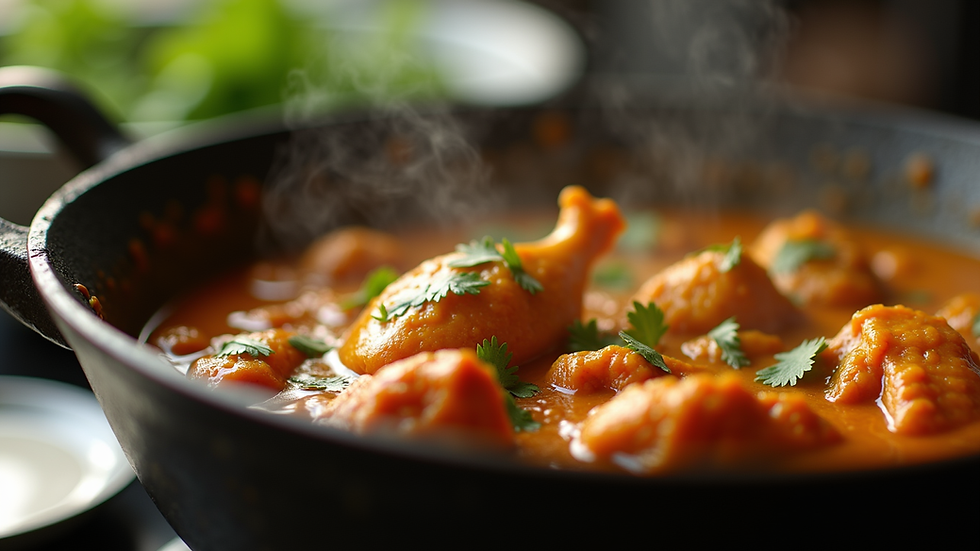
For example, a classic chicken curry uses a combination of turmeric for earthiness, cumin for nuttiness, and coriander for citrus notes. The spices are not overpowering but complement the main ingredients. Fresh ingredients like ginger, garlic, and green chillies add layers of flavour and freshness.
Authentic Indian dishes also use ingredients that reflect the region’s climate and culture. In the north, you find rich dairy products like ghee and paneer, while the south features coconut and tamarind. This regional authenticity is what makes each dish unique and true to its roots.
Is Indian Food Ok for Diabetics?
Many people wonder if Indian food is suitable for diabetics. The answer is yes, but with mindful choices. Authentic Indian dishes often include whole grains like brown rice and millets, lentils, and plenty of vegetables, which are excellent for blood sugar control.
Here are some tips to enjoy Indian cuisine healthily:
Choose dishes with lentils and legumes: Dal (lentil soup) is rich in protein and fibre.
Opt for grilled or tandoori items: These are cooked without heavy oils or creams.
Limit fried snacks and sweets: Traditional sweets can be high in sugar.
Use whole wheat or millet-based breads: Instead of refined flour (maida).
Control portion sizes: Enjoy the variety but in moderation.
By selecting dishes carefully, Indian food can be a delicious and diabetic-friendly option.
The Importance of Traditional Cooking Techniques
Authentic Indian dishes owe much of their magic to traditional cooking methods. These techniques have been perfected over centuries and are crucial for developing the right textures and flavours.
Tadka (tempering): Spices are fried in hot oil or ghee to release their essential oils before adding other ingredients. This step is vital for flavour.
Dum cooking: Slow cooking in a sealed pot allows spices and ingredients to meld beautifully.
Tandoor baking: Clay ovens impart a smoky flavour to breads like naan and meats like tandoori chicken.
Grinding spices fresh: Using a mortar and pestle or spice grinder preserves the aroma and potency.
These methods require patience and skill, but they make all the difference. When you taste a dish prepared with these techniques, you feel the authenticity in every bite.

Traditional tandoor oven baking naan bread
Experiencing Authentic Indian Food in Malmö
Finding authentic Indian food outside India can be a challenge, but Malmö offers some wonderful options. The key is to look for places that respect tradition and use genuine recipes and ingredients.
When I visit a restaurant or order takeaway, I look for:
A menu with regional variety: From Punjabi butter chicken to Goan fish curry.
Use of fresh spices and herbs: The aroma should be inviting and natural.
Traditional cooking methods: You can often sense this in the texture and flavour.
Warm hospitality: Authentic Indian dining is about sharing and connection.
Masala & More in Malmö is a shining example of this. They bring the true taste of India through their traditional recipes and warm service. Whether you dine in, take away, or order catering, you can trust that you are experiencing authentic Indian dishes that honour the rich culinary heritage.
Authentic Indian food is more than just a meal - it is a journey into culture, history, and heart. By understanding the ingredients, spices, cooking methods, and regional diversity, you can truly appreciate what makes Indian dishes authentic. Whether you are cooking at home or exploring Malmö’s Indian cuisine, embrace the warmth and richness that authentic Indian food offers. It is a feast for the senses and the soul.
Comments